

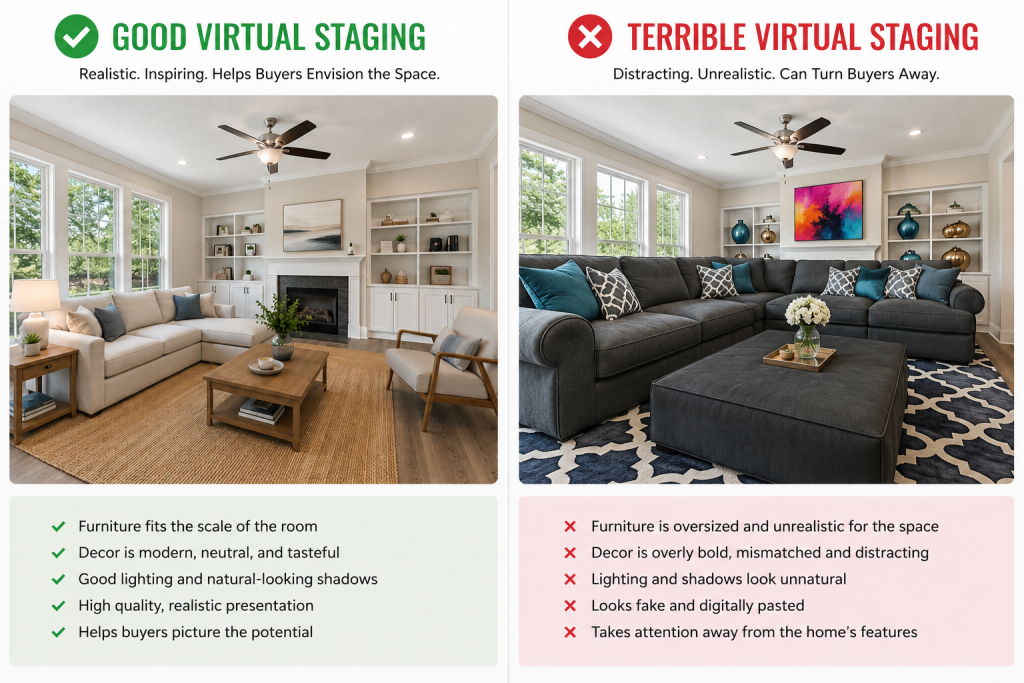
When buyers scroll through hundreds of homes online, first impressions happen in seconds. In today’s digital real estate market, listing photos often determine whether a buyer schedules a showing or keeps scrolling. That’s one of the biggest reasons why real estate agents use virtual staging on vacant homes. As virtual-staging technology improves, agents have more flexibility to demonstrate possible room arrangements and decorating styles. NAR offers additional insight into how today’s real estate agents are using virtual staging.
Despite some misconceptions, virtual staging is not intended to deceive buyers or hide defects. Instead, it helps buyers visualize how an empty space can function as a home. Just as builders decorate model homes and furniture stores create room displays, virtual staging provides inspiration and helps buyers see the potential of a property. One of the reasons why real estate agents use virtual staging is to enhance the visual appeal of a property. This method showcases how a space can be utilized, thus proving why real estate agents use virtual staging in their marketing strategies.
If you’ve ever walked through a completely vacant home and struggled to imagine where your sofa, dining table, or bed would fit, you’re not alone. Most buyers simply aren’t skilled at mentally furnishing an empty room. Virtual staging bridges that gap.
What Is Virtual Staging?
Virtual staging is the process of digitally adding furniture, décor, rugs, artwork, lighting, and accessories to photos of an empty home using specialized software or artificial intelligence.
The home itself is not physically altered. Nothing is added during showings. The virtually staged images simply demonstrate one possible way a room could be arranged.
Ethical real estate agents clearly identify these images as “virtually staged” so buyers understand they’re viewing a digitally enhanced representation rather than actual furnishings. The National Association of REALTORS® explains that virtual staging uses digitally added furniture and décor to highlight a room and can be especially useful for vacant properties that would otherwise require extensive physical staging.
Why Real Estate Agents Use Virtual Staging

Buyers Shop Online First
According to industry research, nearly every homebuyer begins their search online before scheduling a tour. That means listing photos are often the home’s first showing.
A vacant room with blank walls can appear smaller and less inviting in photographs. By contrast, a professionally virtually staged room can help buyers immediately understand how the space works.
Instead of asking:
- Is this room big enough?
- Where would my couch go?
- Will a king-size bed fit?
Buyers can instantly picture the possibilities.
In today’s market, why real estate agents use virtual staging is clear: it dramatically improves the chances of a sale.
Why Real Estate Agents Use Virtual Staging: Enhancing Buyer Experience
Empty Rooms Can Be Difficult to Judge
Believe it or not, empty rooms often look smaller in photos than furnished ones.
Furniture provides scale.
For example:
- A large living room may appear narrow until a sectional, coffee table, and accent chairs are shown.
- A dining room may seem awkward until buyers see it comfortably fits an eight-person table.
- A bedroom may look undersized until a king bed with nightstands is added.
Virtual staging helps eliminate uncertainty.
Another reason why real estate agents use virtual staging is to create an inviting atmosphere that draws potential buyers in.
It Helps Buyers Understand a Room’s Purpose
Many homes include flexible spaces that buyers struggle to interpret.
Examples include:
- Formal dining rooms
- Flex rooms
- Bonus rooms
- Home offices
- Loft spaces
- Finished attics
Without furniture, buyers may wonder:
“What would I even do with this room?”
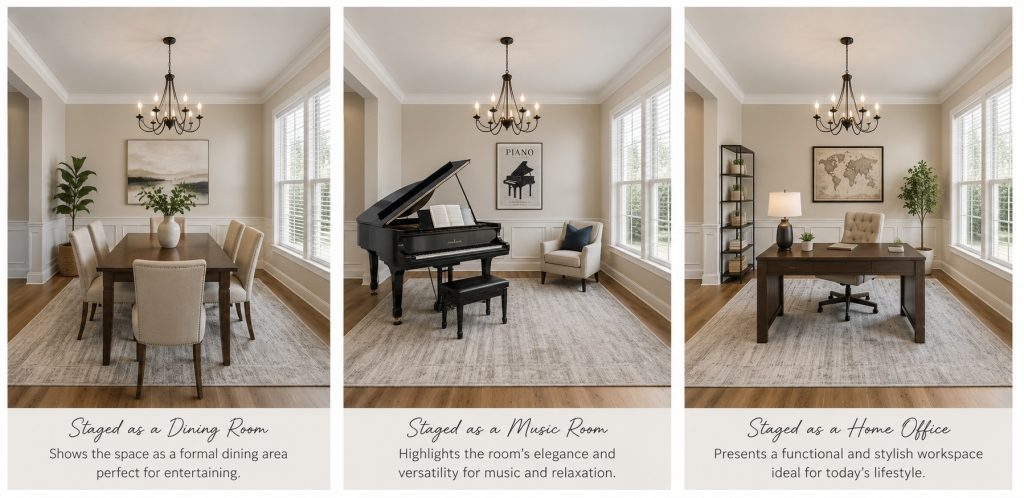
Virtual staging can demonstrate multiple possibilities.
For example, the same room could be shown as:
- A home office
- A playroom
- A reading lounge
- A guest bedroom
- A workout room
Instead of limiting imagination, virtual staging often expands it.
Virtual Staging Is Cost-Effective
Traditional staging can be expensive.
Professional staging often involves:
- Furniture rental
- Delivery fees
- Moving costs
- Design consultations
- Monthly rental charges
Depending on the home’s size, traditional staging can cost thousands of dollars.
Virtual staging provides many of the same marketing benefits at a fraction of the cost, making it an attractive option for sellers who want beautiful listing photos without a significant investment.
Virtual Staging vs. Traditional Staging
Virtual Staging
- Digital furniture only
- Lower cost
- Faster turnaround
- Great for online marketing
- Buyers view vacant home in person
Traditional Staging
- Physical furniture inside home
- Higher investment
- Scheduling and installation required
- Enhances both photos and in-person showings
- Buyers tour furnished home
Benefits of Virtual Staging
Why real estate agents use virtual staging goes beyond aesthetics; it also addresses practical concerns for buyers.
Beautiful listing photos attract more attention online, leading to more clicks, more saves, and often more showing requests.
Vacant homes can sometimes feel cold or unfinished.
Virtual staging adds warmth and personality without changing the actual property.
Properly scaled furniture demonstrates how much space a room actually offers.
Instead of guessing whether a sectional fits, buyers can see an example.
Many buyers spend weeks browsing listings on their phones before ever stepping inside a property.
Virtual staging helps listings stand out during that important online shopping phase.
Different buyers have different tastes.
Virtual staging can showcase:
- Modern
- Farmhouse
- Contemporary
- Coastal
- Traditional
- Transitional
This flexibility allows agents to match the home’s style while appealing to a broad audience.
Potential Drawbacks of Virtual Staging
Like any marketing tool, virtual staging isn’t perfect.
Transparency is essential.
Listing photos should clearly indicate when rooms have been virtually staged.
Professional agents disclose this information so buyers know exactly what they’re viewing.
It may sound obvious, but buyers occasionally forget that the furniture isn’t included.
During showings, the home will still be vacant unless physically staged.
Poor-quality virtual staging can cause problems.
Examples include:
- Furniture that’s oversized for the room
- Windows being altered
- Features being hidden
- Impossible room layouts
Professional virtual staging should always reflect realistic room dimensions and never conceal permanent features or flaws.
Virtual Staging Should Never Hide Problems
One common misconception is that virtual staging is used to cover defects.
Reputable real estate agents use it only to furnish empty rooms—not to conceal issues.
For example, virtual staging should never be used to:
- Cover damaged flooring
- Hide cracks in walls
- Remove structural issues
- Eliminate power lines
- Change landscaping
- Alter countertops or cabinetry
- Misrepresent room sizes
Its purpose is visualization—not deception. The same principles apply to advertising more broadly. Under FTC truth-in-advertising standards, advertisements must be truthful and not misleading.
It is important to clarify why real estate agents use virtual staging and how it acts as a valuable tool in property marketing.
Real-World Examples
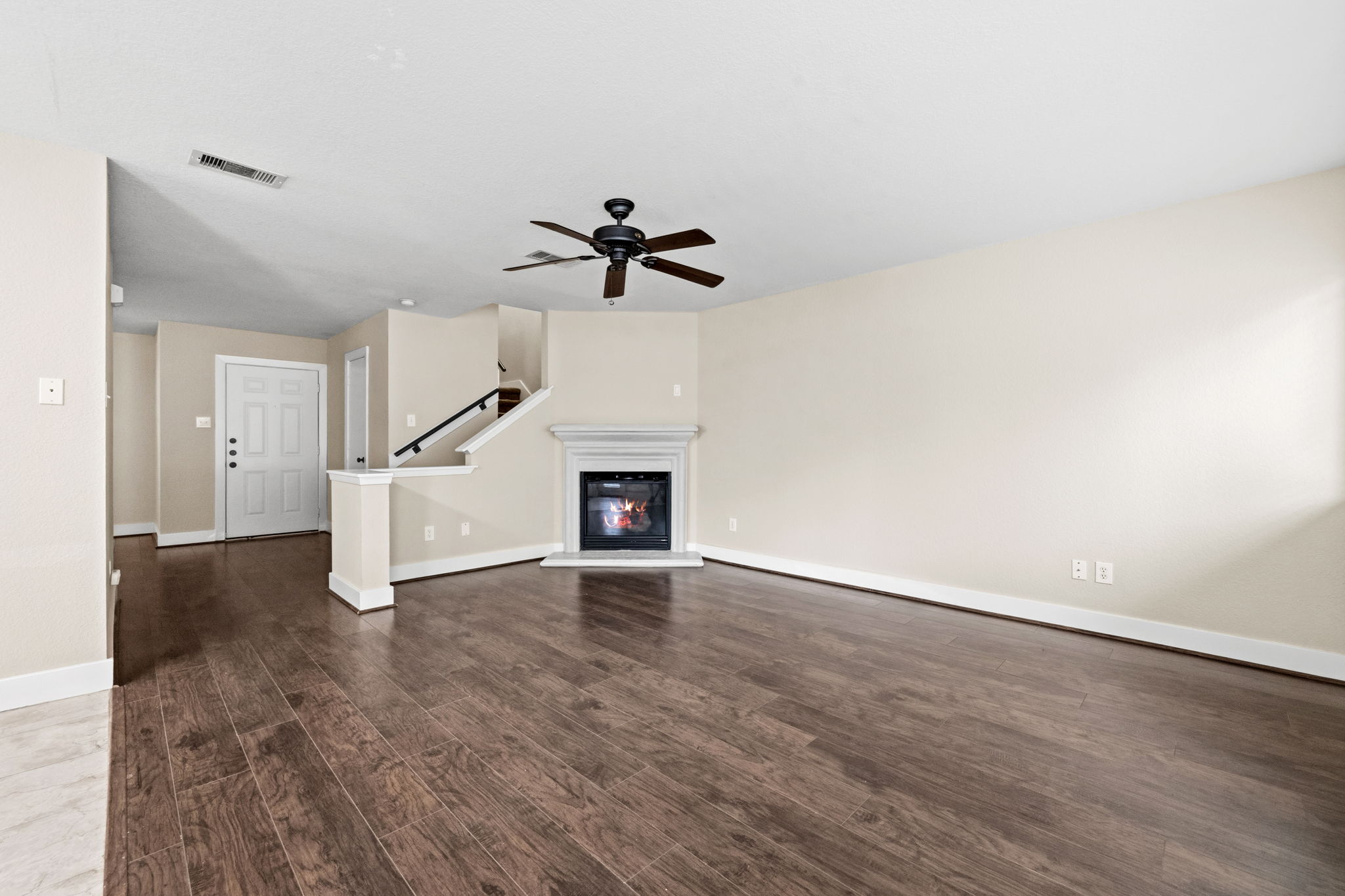
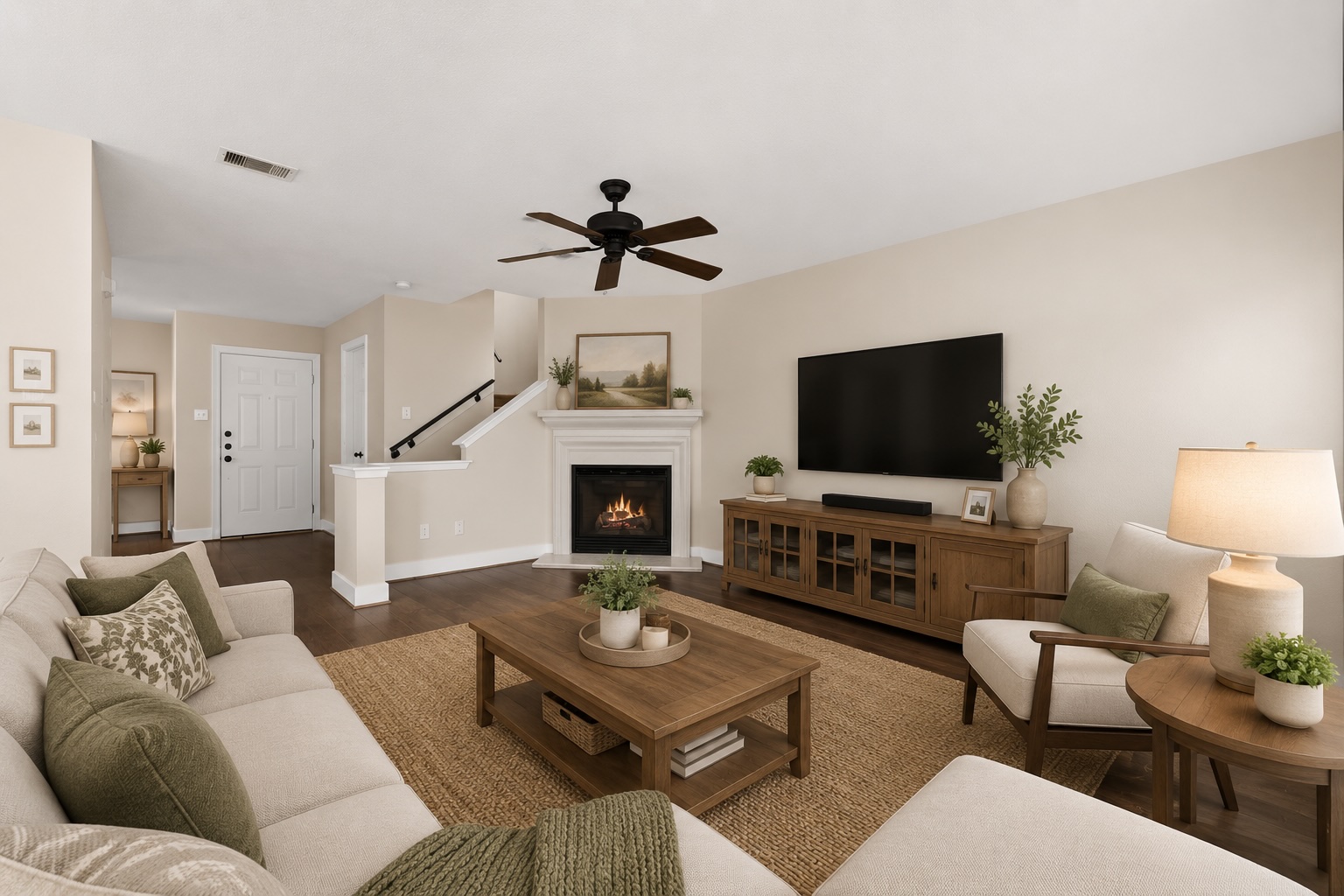
Example 1: Empty Living Room
Without staging, buyers see four blank walls.
With virtual staging, they immediately recognize the room comfortably accommodates:
- A large sectional
- Two accent chairs
- Coffee table
- Entertainment center
- Area rug
Suddenly the room feels functional.
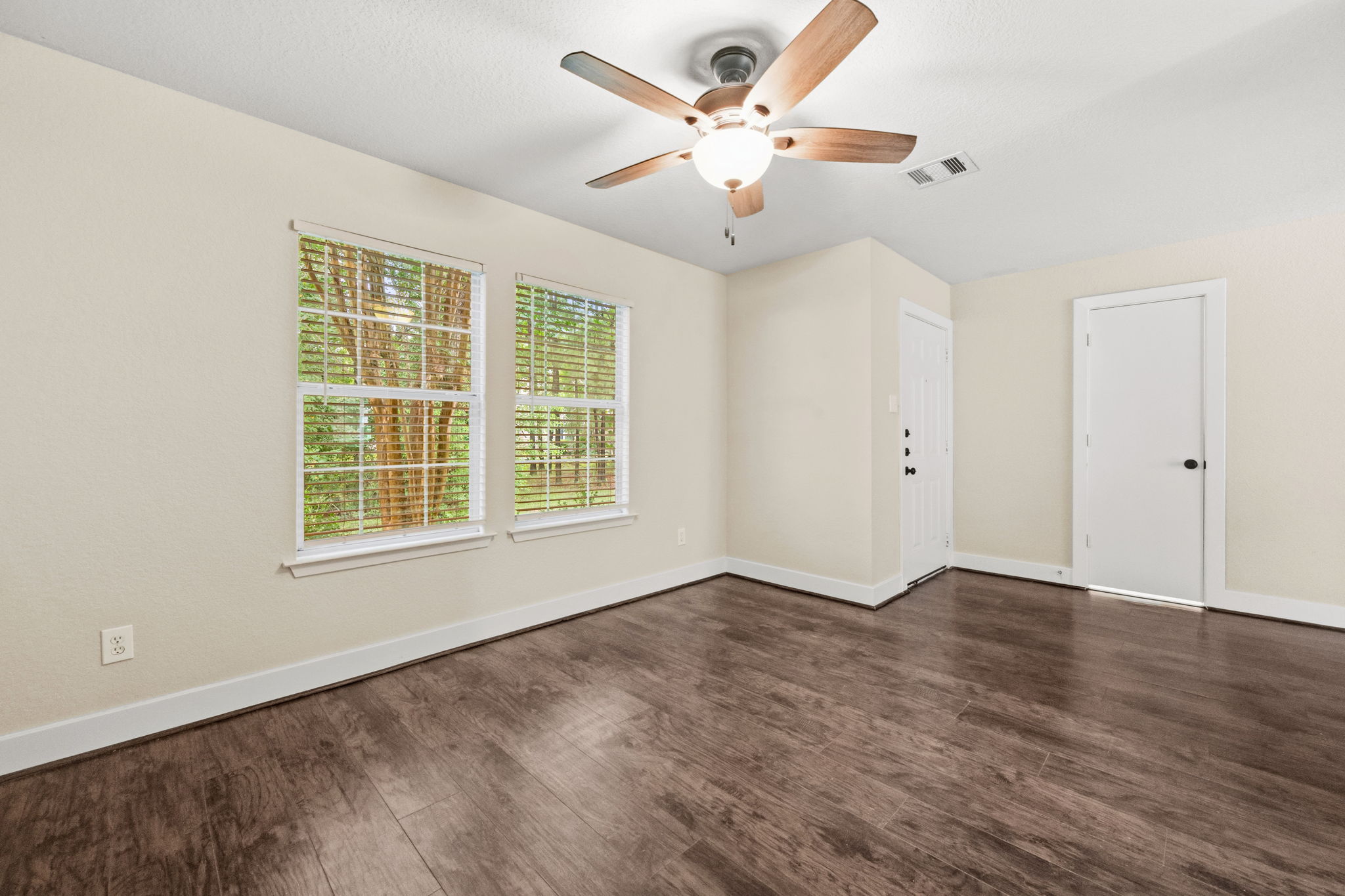
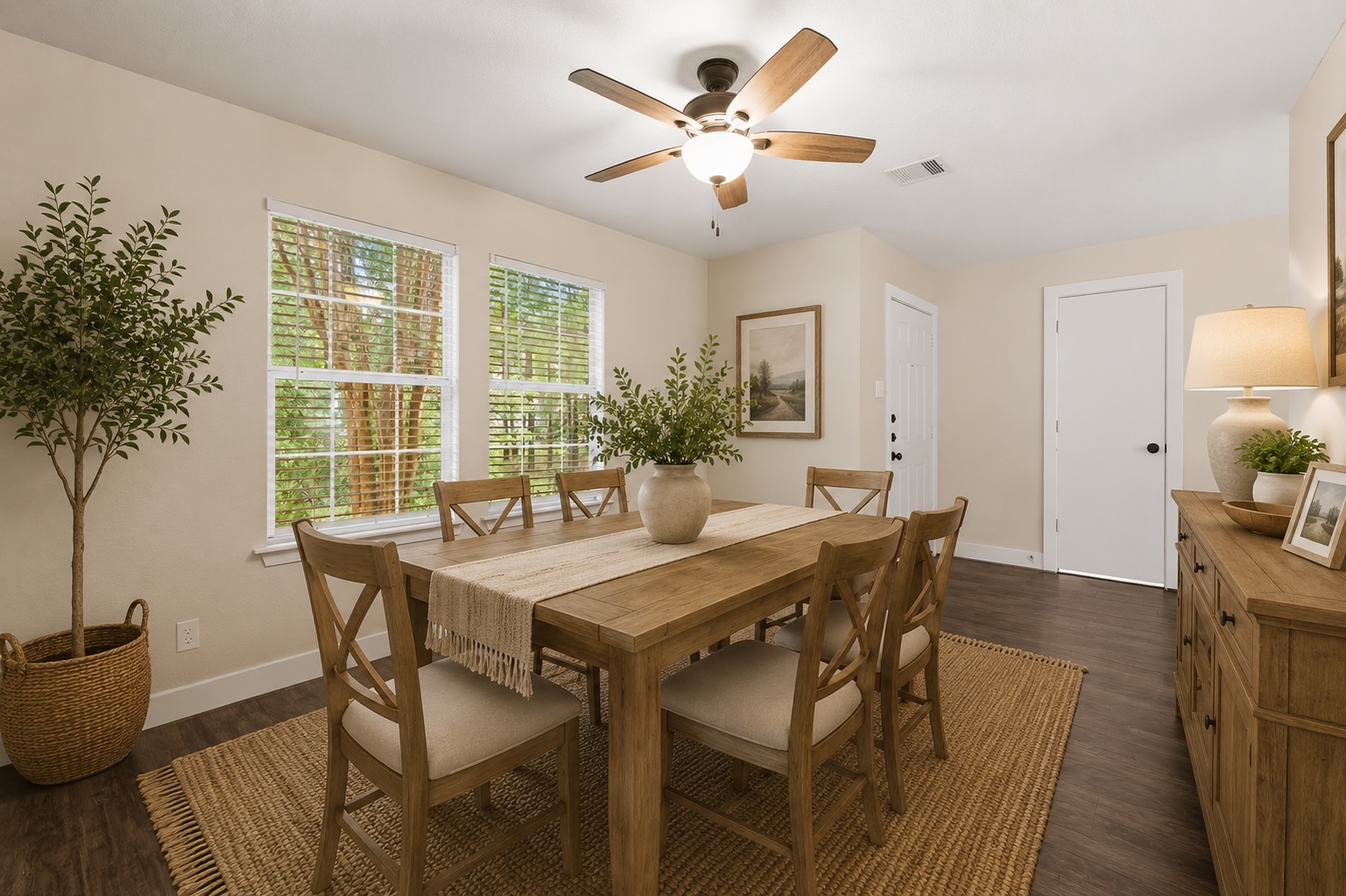
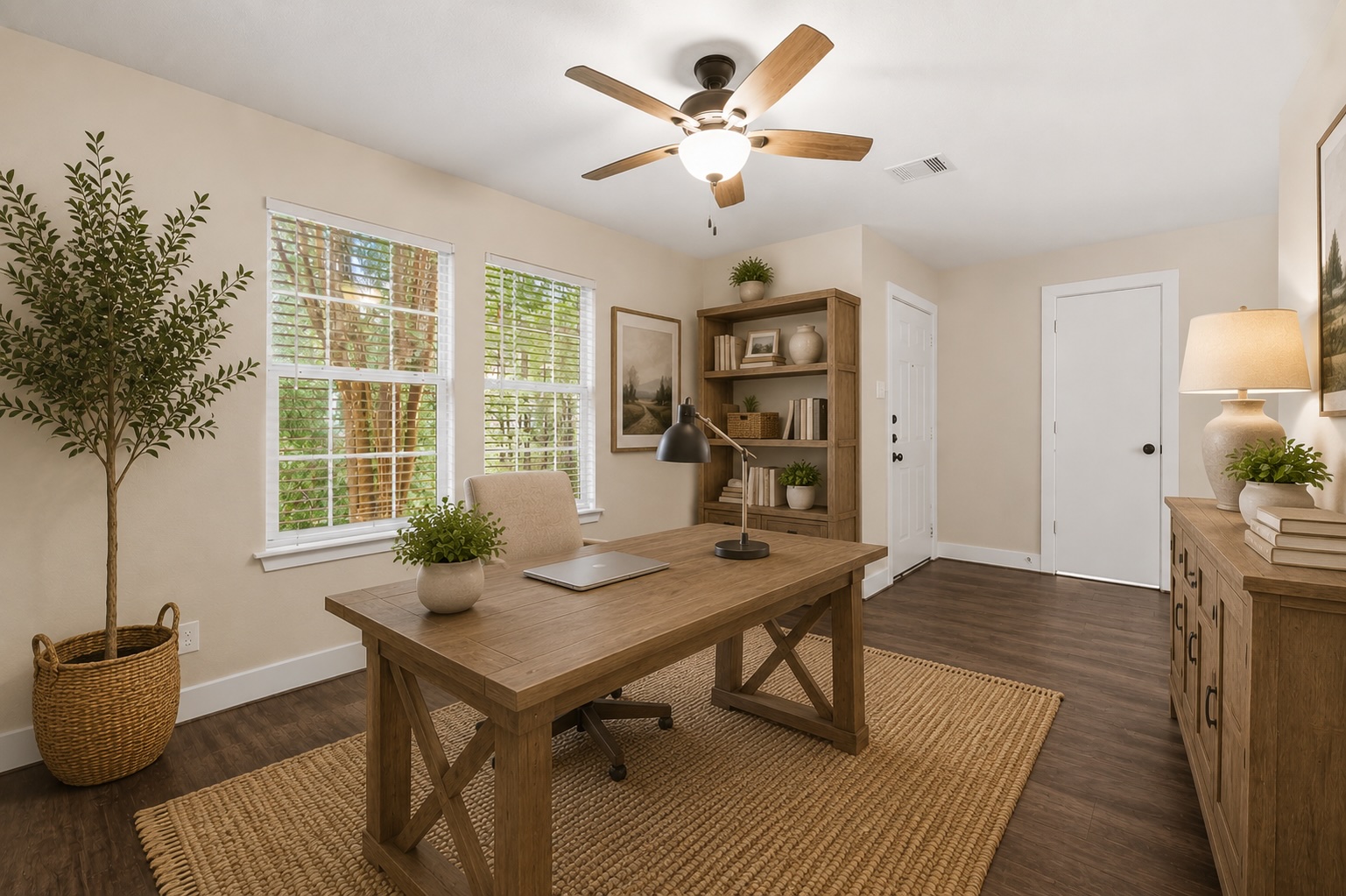
Example 2: Formal Dining Room
Many buyers no longer prioritize formal dining.
A virtually staged image can demonstrate the room as:
- Home office
- Library
- Music room
- Kids’ study area
Instead of becoming a “wasted room,” buyers begin imagining possibilities.
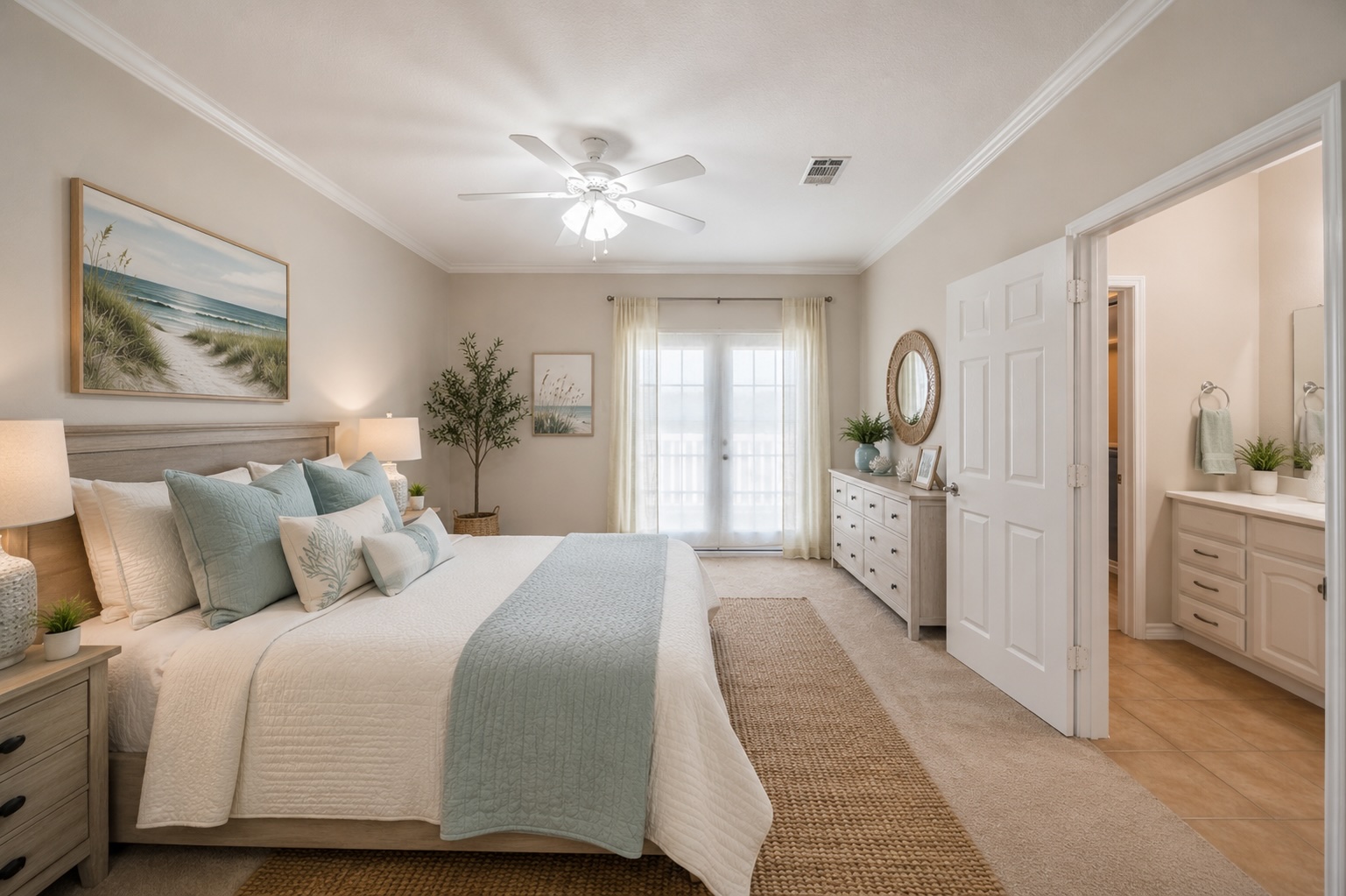
Example 3: Large Primary Bedroom
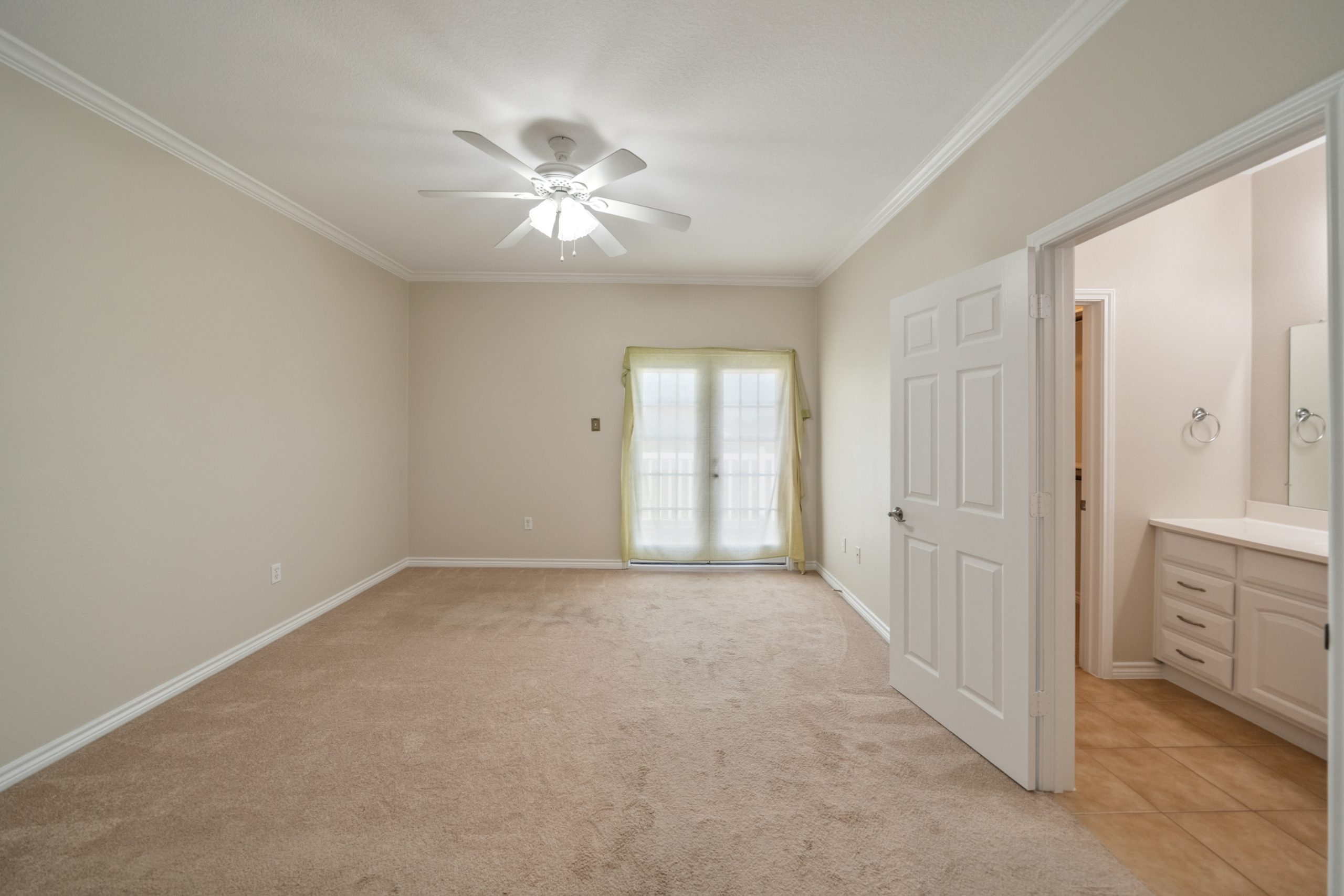
An oversized bedroom can actually feel awkward when empty.
Virtual staging shows how the room easily accommodates:
- King-size bed
- Nightstands
- Sitting area
- Reading nook
- Dresser
Buyers better appreciate the room’s true scale.
Should Every Home Be Virtually Staged?
Not necessarily.
If a home is already beautifully furnished, professional photography alone may be enough.
However, virtual staging can be especially beneficial for:
- Vacant homes
- New construction
- Estate sales
- Investment properties
- Model homes without furniture
- Homes that have already been moved out of
- Listings with large, open spaces that need definition
Frequently Asked Questions About Virtual Staging
Does virtual staging make a home look bigger?
No. Ethical virtual staging uses appropriately sized furniture to help buyers understand the true dimensions of a room rather than exaggerating its size.
Is virtual staging allowed in real estate?
Yes. Virtual staging is widely accepted throughout the real estate industry when images are accurately labeled and do not misrepresent the property’s condition or features.
Is virtual staging better than leaving a home empty?
For many vacant homes, yes. Virtual staging helps buyers understand room function, scale, and layout while creating a stronger emotional connection online.
Should occupied homes be virtually staged?
Not usually. If a home is already clean, well-decorated, and professionally photographed, additional virtual staging is often unnecessary. It is most beneficial for vacant properties or spaces that need help illustrating their potential. Even when virtual staging is used, sellers should still clean, make repairs, and consider decluttering before selling their home so the actual property presents well during showings.
Does virtual staging help sell homes?
While no marketing tool guarantees a sale, attractive listing photos often encourage more buyers to view a property online and schedule in-person showings. Virtual staging can be an effective part of a comprehensive marketing strategy.

The Bottom Line
Virtual staging has become one of the most valuable marketing tools available to today’s real estate professionals. When used ethically and disclosed properly, it helps buyers understand a home’s layout, scale, and potential while giving sellers an affordable way to present their property in its best light.
Rather than trying to misrepresent a home, virtual staging is designed to answer one simple question every buyer asks: “Can I picture myself living here?”
When buyers can envision how a space might look once furnished, they’re often more likely to schedule a showing and explore the home in person. Combined with high-quality photography, honest representation, and expert marketing, virtual staging can help a listing make a stronger first impression in today’s competitive online marketplace.
In conclusion, the reasons why real estate agents use virtual staging are numerous and significant, impacting both buyers and sellers.
Virtual staging is only one part of preparing and marketing a property. Sellers can find additional guidance in my North Houston Home Selling Guide.
Professional photography, thoughtful presentation, appropriate pricing, and strong online marketing should all be part of a complete strategy. Review these additional tips for selling your home. Homeowners who are considering selling can request a free home evaluation to discuss pricing, preparation, photography, and whether virtual staging would benefit their property.
An experienced Houston area REALTOR® like Tammy James can help determine whether traditional staging, virtual staging, or professional photography alone is the right choice for a particular home.
Considering Selling a Home in Kingwood or Northeast Houston?
The right presentation strategy depends on the home, its condition, whether it is occupied or vacant, and the buyers most likely to consider it. Virtual staging may be a useful option, but it should always be combined with accurate photography, honest representation, proper preparation, and a strong marketing plan.
Tammy James, REALTOR® with RE/MAX Universal, helps homeowners throughout Kingwood, Humble, Atascocita, Porter, New Caney, Conroe, The Woodlands, and Northeast Houston prepare and market their properties with professionalism and transparency.
Call 281-732-1498 to discuss your home, request a property evaluation, and determine whether virtual staging would be a good fit for your listing.