

1. Wire Fraud

Real estate wire fraud is one of the most common and costly real estate scams.
How it works
Near closing, criminals gain access to email conversations between buyers, real estate agents, title companies, or lenders.
They then send an email that appears legitimate containing “updated” wiring instructions.
The buyer unknowingly wires their down payment or closing funds directly into the criminal’s bank account.
Once the money is transferred, it can disappear within minutes.
Warning Signs
- Last-minute changes to wire instructions
- Emails requesting urgency
- Slight misspellings in email addresses
- Different phone numbers
- Unexpected changes in banking information
How to Protect Yourself
- Never wire money using emailed instructions alone.
- Always call the title company using a verified phone number.
- Verify wiring instructions verbally before sending funds.
- Confirm the account number and routing number directly with your closing company.
- If anything feels unusual, stop immediately.
2. Seller Impersonation Fraud

One of the fastest-growing real estate fraud scams today involves criminals pretending to be property owners.
How it works
Scammers target:
- Vacant land
- Rental homes
- Vacation homes
- Investment properties
- Homes owned free and clear
The fraudster poses as the owner and contacts a real estate agent wanting to sell quickly.
They often insist on:
- Email-only communication
- Remote closings
- Cash buyers
- Quick sales
- No phone calls
Forged identification documents may be provided to convince everyone the seller is legitimate.
If successful, the scammer receives the sale proceeds before the true owner discovers the fraud.
Warning Signs
- Seller refuses video calls
- Seller avoids meeting in person
- Rush to close
- Requests unusual payment methods
- Communication only through text or email
3. Deed Fraud

Deed real estate fraud occurs when someone illegally transfers ownership of a property without the owner’s knowledge.
How it works
A criminal files a forged deed with the county.
The scammer may then:
- Attempt to sell the property
- Borrow against it
- Rent it out
- Use it for additional fraud
Many homeowners don’t discover the fraud until they receive foreclosure notices or tax bills.
Who Is Most at Risk?
- Elderly homeowners
- Vacant properties
- Rental homes
- Vacation homes
- Homes without mortgages
Protection Tips
- Regularly monitor your property records.
- Sign up for your county’s property fraud alert program if available.
- Review your property tax statements annually.
- Be cautious if you receive unexpected notices regarding ownership.
4. Title Fraud
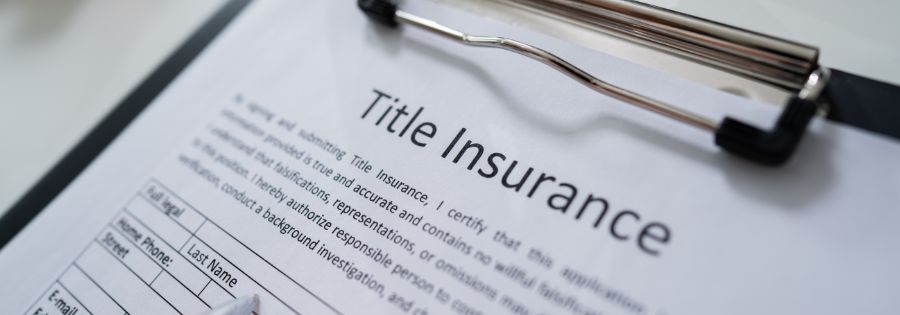
Although title insurance helps protect buyers, title real estate fraud can still occur.
Examples include:
- Forged signatures
- Fake releases
- Undisclosed heirs
- Fraudulent liens
- Counterfeit documents
Title companies perform extensive searches before closing, but title insurance provides an important layer of protection if hidden issues are discovered later.
5. Mortgage Fraud

Mortgage fraud involves false information used to obtain financing.
Examples include:
- Fake employment
- Inflated income
- False assets
- Straw buyers
- Occupancy fraud
- Fake appraisals
While some fraud is committed by criminals, buyers can unknowingly become involved if they sign inaccurate loan applications.
Always review every document before signing.
6. Rental Scams
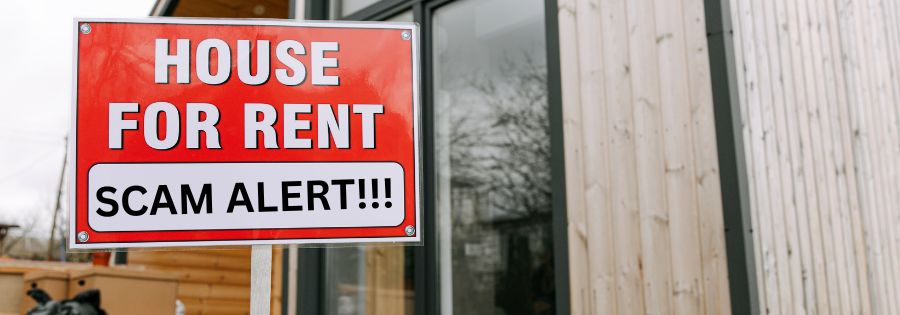
Rental real estate fraud has become increasingly common.
How it works
A scammer copies photos from legitimate listings.
They advertise the property online at an attractive price.
Interested renters are asked to:
- Send deposits
- Pay application fees
- Wire first month’s rent
The property may not even be available—or the scammer doesn’t own it.
Red Flags
- Rent is well below market value
- Owner claims to be overseas
- No in-person showings
- Requests payment before viewing
- Pressure to act immediately
7. Fake Escrow or Title Companies

Some criminals create websites that closely resemble legitimate title companies.
Buyers receive convincing emails directing them to fake portals where they submit:
- Wire transfers
- Banking information
- Personal identification
- Driver’s licenses
Always verify the title company’s website and contact information independently. It’s best to have a real estate agent that does business with legit title companies and avoid this type of real estate fraud.
8. Identity Theft
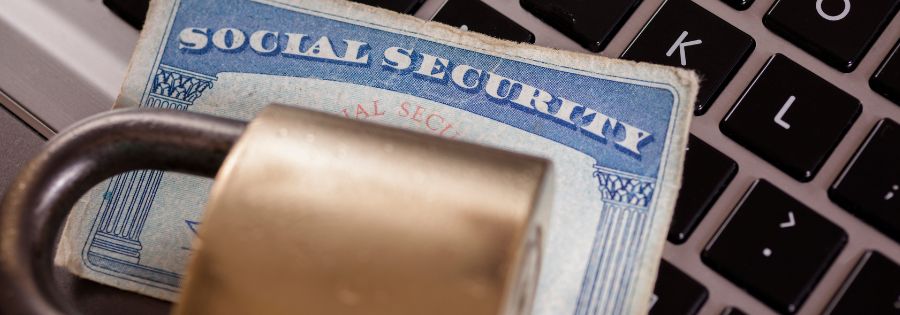
Real estate transactions require sharing sensitive personal information.
Documents often include:
- Social Security numbers
- Bank statements
- Tax returns
- Driver’s licenses
- Pay stubs
- Financial account information
If this information is intercepted, criminals may open loans, credit cards, or other accounts in someone else’s name.
Protect yourself by:
- Using secure portals
- Avoiding public Wi-Fi
- Using strong passwords
- Enabling two-factor authentication
9. Home Improvement Contractor Fraud

After purchasing a home, or hit by unfortunate weather such as hail or hurricanes, home owners are often targeted by dishonest contractors.
Common scams include:
- Demanding large upfront payments
- Performing incomplete work
- Using low-quality materials
- Disappearing after payment
Always:
- Verify licenses
- Check references
- Get written estimates
- Avoid paying the full amount upfront
10. Foreclosure Rescue Scams

Homeowners facing financial hardship may become targets.
Fraudsters promise to:
- Stop foreclosure
- Save the home
- Modify the loan
- Eliminate debt
They often request upfront fees before disappearing.
Legitimate housing counselors generally do not require large advance payments for foreclosure assistance.
11. Moving Company Scams

Moving fraud often occurs after closing.
Examples include:
- Extremely low estimates
- Holding belongings hostage
- Surprise fees
- Disappearing with possessions
Research movers carefully before hiring and AVOID SCAMS WHEN YOU HIRE A MOVING COMPANY.
12. Vacant Land Fraud
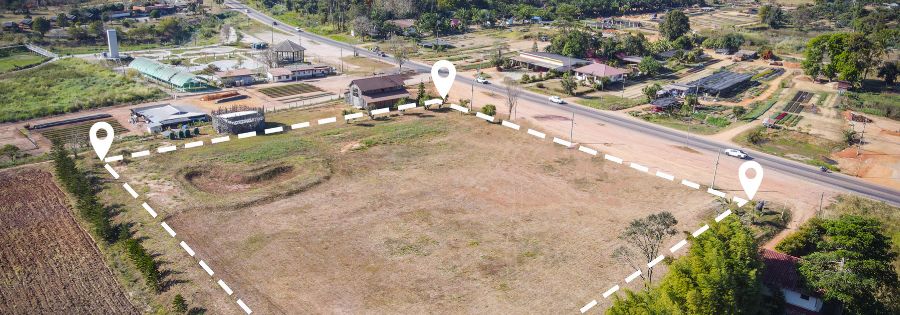
Vacant land is particularly attractive to criminals because owners often:
- Live elsewhere
- Don’t visit frequently
- Have fewer neighbors watching the property
Scammers forge ownership documents and attempt to sell the land before anyone notices. They plot to sell the vacant land fraudulently.
Many title companies now use enhanced verification procedures for vacant land transactions because of this growing problem.
13. Home Title Monitoring Myths

Many companies advertise “home title lock” services that claim to prevent deed theft. While monitoring services may alert you to changes in public records, they generally do not stop someone from filing a fraudulent document.
A better approach is to:
- Monitor your property records.
- Enroll in free county property alert programs if available.
- Maintain title insurance from your purchase.
- Respond immediately if you receive unexpected notices about your property.